
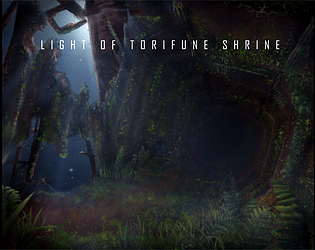
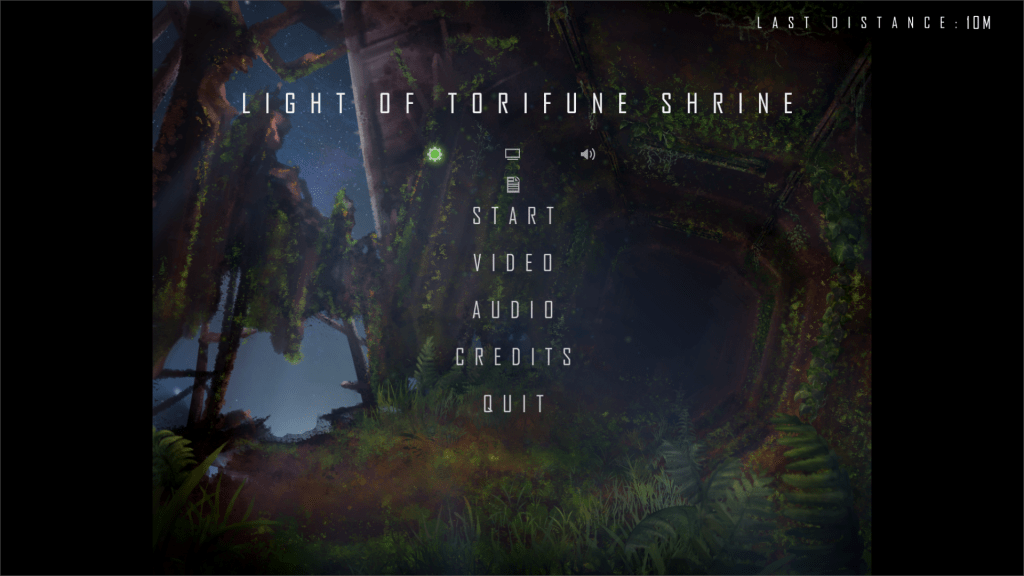
The video game industry is often defined by the grand, sweeping epics that demand hundreds of hours of our time, leaving little room for the intimate, experimental projects that quietly emerge from the margins. Yet, every so often, a smaller title arrives to remind us that tension, atmosphere, and creative vision can be achieved in a fraction of the time. Light of Torifune Shrine is one such endeavor – a focused, one-shot action scroller that invites players to navigate the suffocating, abandoned halls of a space satellite, proving that sometimes the most compelling journeys are those that don’t overstay their welcome.
What to Know
Critic’s Lens
Light of Torifune Shrine is a taut, atmospheric exercise in minimalism that transforms a straightforward action premise into a pulse-pounding test of precision. While its mechanics are tightly bound to a singular, unforgiving loop, the game excels at marrying claustrophobic sound design with a haunting, derelict aesthetic. It is a brief but potent demonstration of how effective environmental storytelling can be when stripped to its most essential elements, offering a rare, focused experience that earns its keep through sheer, unrelenting tension.
Player’s Heart
This game is an absolute nerve-shredder in the best way possible. The eerie vibe of the abandoned satellite is perfectly captured through the sound effects and lighting shifts, making every movement feel genuinely precarious. It can be brutally unforgiving and has a few pesky bugs that might cause a softlock or two, but once you get into the rhythm of guiding Merry and Renko, it becomes a hard-to-put-down challenge. If you are looking for a quick, spooky, and surprisingly deep experience that rewards patience and careful navigation, this little gem is well worth the time.
The Big Picture
Technical and Creative Polish
When you look under the hood of Light of Torifune Shrine, it’s a fascinating case study in how a project shifts gears from a prototype to a standalone experience. Originally conceived as a small-scale microgame, the developer clearly put a lot of work into scaling that initial vision into a functional, cohesive product. The visual feedback, lighting shifts, and interplay between the guiding cursor and the environment are effectively handled, creating a consistent tone that fits the setting of an abandoned satellite perfectly.
That said, even the best-laid plans run into hiccups. The game has dealt with some rather persistent technical gremlins, particularly with enemy collision logic and state persistence between runs. For instance, there was a notable issue in which the light’s radius wouldn’t reset correctly after a failed attempt, leading to a death spiral in which the game became progressively more difficult without the player realizing why. To the developer’s credit, these kinds of frame-dependent, persistent-state bugs are notoriously difficult to track down, and it’s encouraging to see active, iterative patching. It’s a good reminder that game development, especially when you’re building from scratch, is often about fixing the things you didn’t even know were broken until someone else hits the trigger.
Mechanics
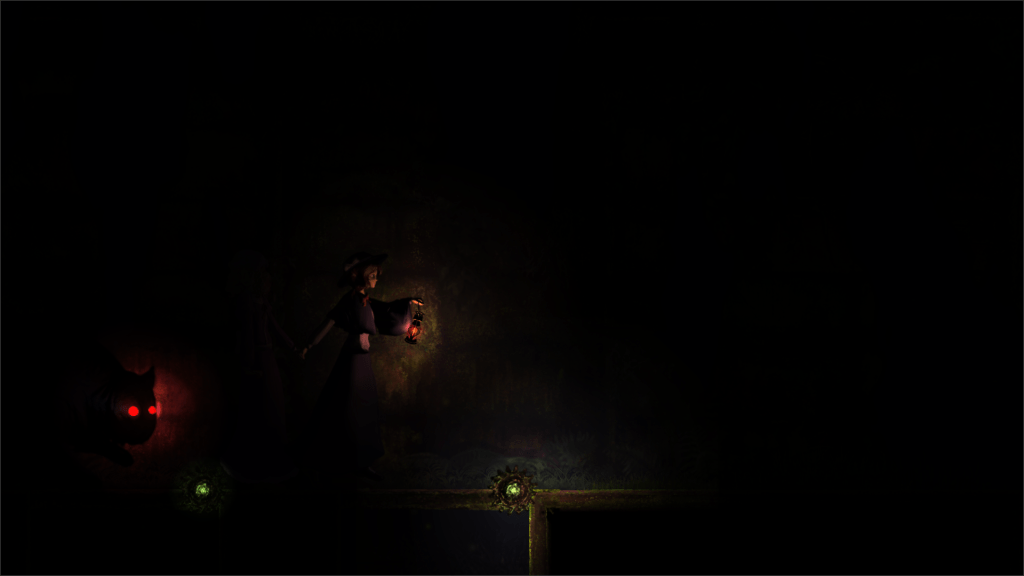
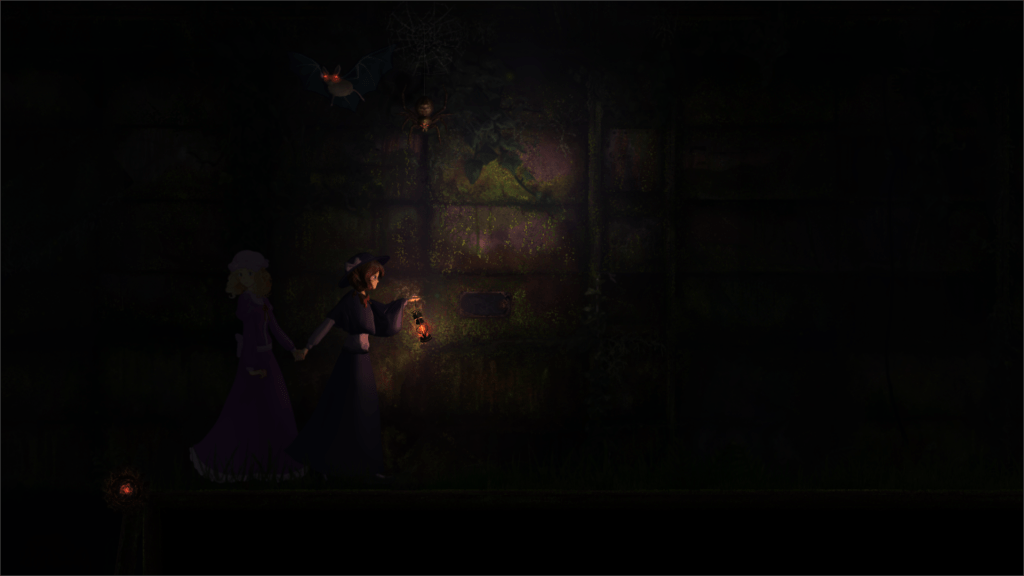
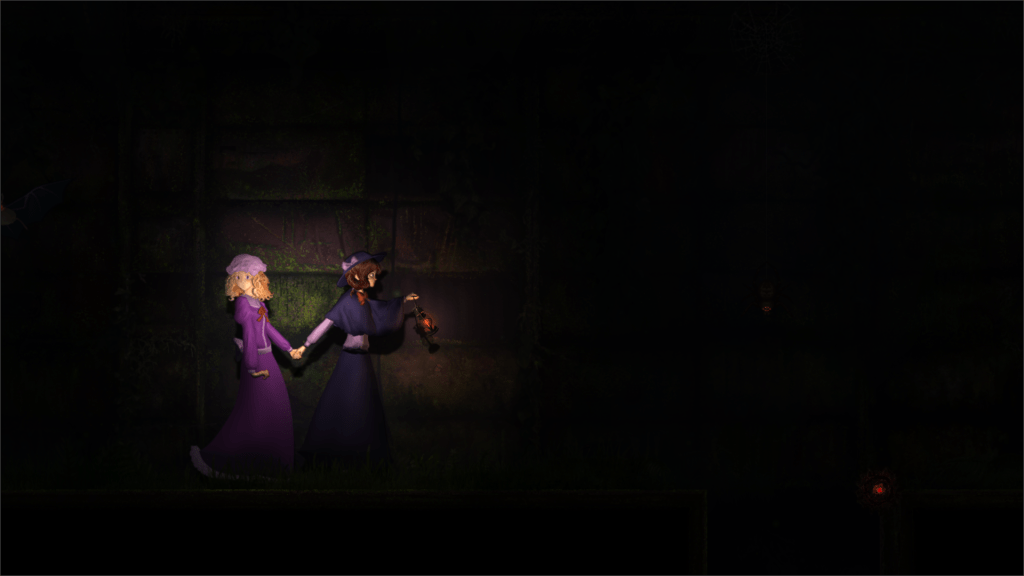
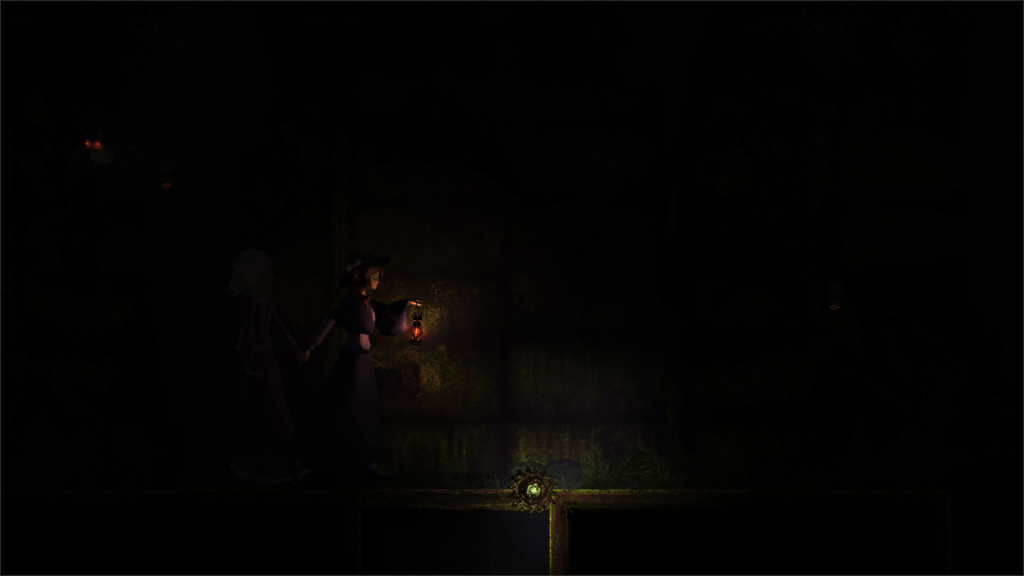
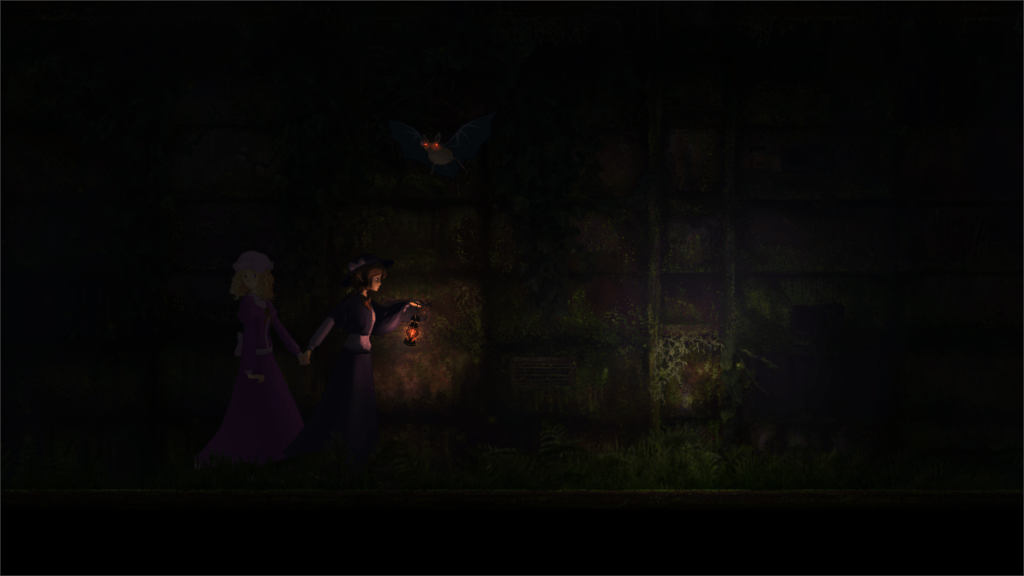
At its core, Light of Torifune Shrine operates on a simple, elegant hook: you aren’t the characters themselves, but the sentient guiding light that must pave their way through the dark. Controlling this light with your mouse requires a steady hand, as you must balance illuminating the path forward against the danger of over-extending your reach. The gameplay is essentially a rhythmic game of avoidance, where you are tasked with protecting Maribel and Renko from the hazards of the satellite.
The tension comes from how the game forces you to interact with the environment. You’re not just moving a cursor; you are managing a resource. Whether it’s hovering over trapdoors to trigger them safely or navigating around the Cloudie spirits, which will actively drain your light’s strength if you get too close, the game demands constant, active attention. It’s a less-is-more approach that turns a simple scroller into a high-stakes balancing act, where the difference between a successful run and a sudden, quiet failure often comes down to just a few pixels of cursor placement.
Sound Design and Music
When a game relies as heavily on atmosphere as Light of Torifune Shrine does, the audio isn’t just background noise – it’s the glue holding the entire experience together. The soundscape here is intentionally sparse, leaning into the unsettling quiet of an abandoned space habitat. The ambient hums, the distant, metallic groans of the satellite, and the subtle, sharp cues of the hazards create a sense of isolation that feels appropriately oppressive. It’s a minimalist approach that pays off, ensuring that every sound effect has a clear, functional purpose rather than just filling empty space.
The music, composed by IceWrenSolstice, serves as the heartbeat of the production. By reusing original tracks alongside new compositions specifically for the menu and gameplay, the score bridges the gap between the project’s roots as a microgame and its evolution into a standalone piece. The music captures a particular kind of melancholic, lost-in-space vibe that complements the visual aesthetic perfectly. It avoids the trap of being too distracting; instead, it underscores the feeling of a quiet, lonely journey through the dark, effectively shifting the mood from one of curiosity to one of genuine, high-stakes urgency as you guide the characters through the labyrinth.
Narrative Cohesion
For a game that started its life as a micro-concept, Light of Torifune Shrine does a surprising amount of heavy lifting with its setting. It doesn’t rely on long dialogue trees or exposition dumps to tell its story. Instead, it leans into the inherently evocative nature of the Touhou Project lore, specifically the Green Trojan Asteroid story from ZUN’s Music Collection, and lets the environment do the talking. By placing Maribel and Renko within the claustrophobic, derelict halls of the Torifune Satellite, the game establishes a clear sense of purpose: you are the silent, protective presence guiding them through a space-jungle labyrinth.
The narrative is essentially defined by this atmosphere of isolation and the fragile, ephemeral nature of the characters’ journey. There is a melancholy undertone here; the satellite feels like a place that has been forgotten by time, and by guiding the duo, the player is essentially helping them navigate a ghost story of their own making. It’s a minimalist approach to storytelling that works because it doesn’t force a complex plot onto the player. It focuses on a singular, high-stakes experience via the dream of visiting Torifune, and manages to make that journey feel significant, even without a single line of traditional dialogue to hold the player’s hand.
Engagement and Fun
The true appeal of Light of Torifune Shrine lies in its ability to condense a high-stakes, stressful experience into a remarkably short window of time. It effectively utilizes the “just one more try” hook that defines the best arcade-style games. Because the runs are quick, a failure doesn’t feel like a devastating loss of progress, but rather a prompt to refine your technique and try a different approach. The constant requirement for precise mouse control keeps you in a state of flow, where the game’s difficulty becomes a satisfying rhythm rather than a source of frustration.
While the game is admittedly short, its engagement comes from the mastery of its specific, tight mechanics. It manages to make you feel both incredibly powerful by acting as the only thing keeping the characters safe and incredibly vulnerable by reminding you how easily that safety can slip away. It is an experience that thrives on the tension between those two feelings, making for a compelling, albeit brief, dive into a dark, forgotten space.
Replayability
In a title as lean and focused as Light of Torifune Shrine, replayability isn’t defined by a massive amount of content, but by the pursuit of mastery. Because the game functions like a high-speed, arcade-style test of precision, the primary driver for returning is your own desire to improve. Each run is short enough that you’re constantly evaluating where you went wrong, and the temptation to see how much further you can push the characters or simply to execute a perfect run without losing light is a compelling hook.
It’s the kind of game that rewards the muscle memory style of play. As you become more familiar with the patterns of the traps and the movement behaviors of the spirits, the game shifts from a stressful hurdle into a rhythmic, almost hypnotic experience. While it may not offer branching paths or endless unlockables, it succeeds by being a perfect-your-performance challenge, making it a great title to revisit whenever you have ten or fifteen minutes to spare and want to test your reflexes against its growing difficulty.
Learning Curve
The learning curve in Light of Torifune Shrine is best described as intense but immediate. You aren’t learning complex button combinations or deep talent trees; you are mastering a singular, high-precision mechanic – the movement and radius management of your guiding light. Because the game drops you into its challenging environment almost instantly, the learning process is less about gradual introduction and more about learning through trial and error.
However, because the game is so focused, the curve is remarkably fair. You will likely face a few frustrating deaths early on as you gauge how the light interacts with the various traps and the spirit enemies. Once you grasp the necessity of keeping your light clear of the Cloudies to maintain your area of effect, the game’s difficulty shifts from feeling arbitrary to feeling like a logical puzzle you have to solve with your cursor. It’s an unforgiving teacher, certainly, but it provides immediate feedback, allowing you to quickly internalize the dos and don’ts of navigating the Torifune Satellite.
Feel of Play
When you get down to the brass tacks of Light of Torifune Shrine, the feel is entirely centered on that mouse cursor. It isn’t a traditional controller experience; it’s an exercise in tactile precision. You are moving a literal light source through a dark, cramped space, and the game does a fantastic job of making that light feel like a tangible, fragile object. You have to be careful, you have to be deliberate, and the moment you move too fast or get reckless, the environment punishes you for it.
The feedback loop is immediate and snappy. When you hover over a trap, you feel that agency; when you skirt the edge of a Cloudie spirit, you feel the tension of the light flickering and shrinking. It’s a very “to the point” kind of design. There’s no fluff, no extra movement, and no unnecessary UI clutter – just you, the cursor, and the dark. It creates this peculiar, high-tension rhythm where the game feels less like a typical action-scroller and more like you are performing a delicate, high-stakes surgery on a derelict space station. It’s tense, it’s precise, and it demands your undivided attention.
Final Verdict

When you step back and look at the whole package, Light of Torifune Shrine lands right in that sweet spot of being a solid, well-constructed experience. It isn’t trying to change the world, and it isn’t masquerading as some grand, endless saga. It is a precise, arcade-style challenge that knows exactly what it wants to be: a tense, brief test of your reflexes and patience.
While it does have those occasional technical hiccups, specifically the kind that remind you just how complicated game development can be, the developer has shown a genuine commitment to patching and polishing the experience. Because of that focused design, it earns a 7 out of 10. It’s a title that’s definitely worth the time if you’re looking for a quick, atmospheric challenge, and it’s a great example of a project that succeeds because it keeps its scope tight and its gameplay loop clear. If you’ve got fifteen minutes to kill and a mouse that works, it’s a solid little journey through the dark that’s worth taking.
If you want to try the game for yourself, I have the link here:
https://diegobnready.itch.io/light-of-torifune
Discover more from Drillimation Systems
Subscribe to get the latest posts sent to your email.


This is an exceptionally well-crafted review—thoughtful, immersive, and written with a genuine understanding of how games function both technically and emotionally. 🎮🌌
What stands out most is the balance between critical analysis and personal engagement. You don’t simply describe Light of Torifune Shrine; you translate the experience of playing it. Phrases like “pulse-pounding test of precision” and “a rhythmic game of avoidance” perfectly capture the tension without slipping into exaggeration. The writing feels informed, but never detached.
LikeLike
Hope can be new friends 🧡
LikeLiked by 3 people