
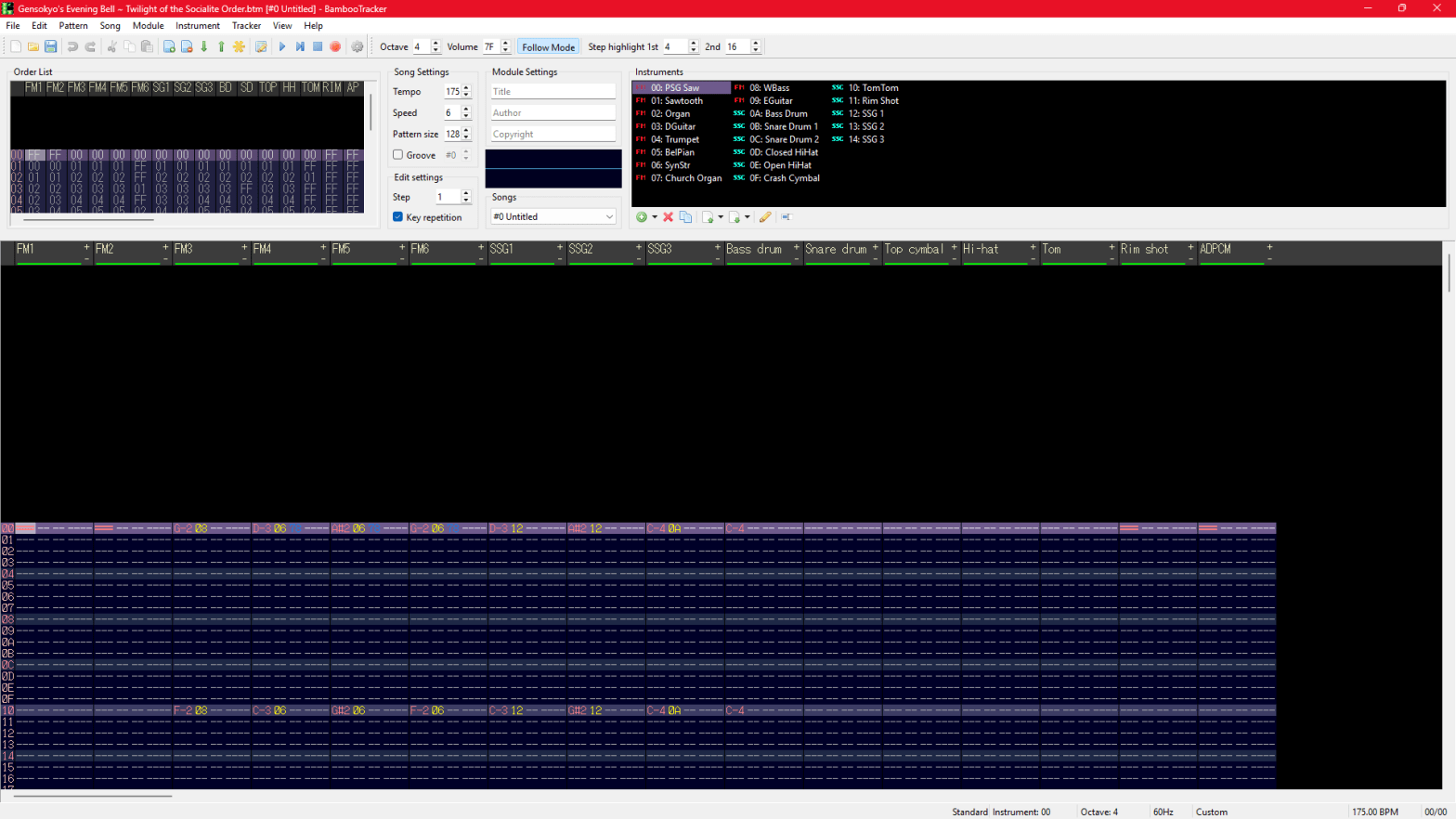
A popular open source PC-98 chiptune tool loses its lead dev due to corporate NDA restrictions, but the community is already stepping up.
This Article in a Nutshell
Lead developer Rerrah has officially ceased development on the chiptune tool. The decision comes after Rerrah revealed their employment at Yamaha, whose contract prohibits the creation of unofficial tools related to their hardware. Because the project is open source, the codebase will remain live, with community members already moving to preserve it.
The Big Picture
In a bittersweet turn of events for the retro music community, Rerrah, the creator and primary maintainer of the popular chiptune composition tool BambooTracker, has announced they are stepping away from the project. The sudden departure comes as a direct result of Rerrah revealing their position at legacy audio giant Yamaha – the very company that originally manufactured the hardware BambooTracker emulates.
The Corporate Conflict

BambooTracker is a free, open-source music tracker designed specifically to mimic the Yamaha YM2608 (OPNA) sound chip, famously responsible for the iconic, FM synthesis-heavy soundtracks of the NEC PC-88 and PC-98 series of Japanese home computers.
In an announcement shared on the official BambooTracker Discord server, Rerrah explained that their employment contract strictly prohibits the development of unofficial tools associated with Yamaha’s intellectual property.
“These were originally hobby projects unrelated to Yamaha, but since I am now employed by Yamaha, I have been asked to refrain from developing unofficial tools, so I have no choice but to discontinue them,” Rerrah stated. While prior standalone tools developed by Rerrah will be archived, the developer noted that because BambooTracker is open-source, it is “no longer under my direct control” and will not be shut down entirely.
Rerrah’s Role at Yamaha
Rerrah’s departure from independent development provides a rare look at the intersection between the enthusiast chiptune scene and professional audio engineering. While the announcement caught much of the community by surprise, Rerrah revealed that they have actually been employed at Yamaha for roughly five years, successfully navigating a professional career while maintaining BambooTracker as a personal hobby.
Currently, Rerrah’s professional focus is centered on the development of VOCALOID, though they maintain a rapport with Yamaha’s internal synth development teams. In a lighthearted nod to their roots, Rerrah mentioned they occasionally nudge their colleagues toward reviving classic hardware, even jokingly requesting that the team develop a modern successor to the legendary YM2151 FM chip.
A Massive Blow to the Doujin Scene
Since its inception, BambooTracker has grown from a niche hardware enthusiast tool into a staple of the international chiptune and doujin music scenes. It effectively replaced aging, complex 1990s music drivers by introducing a modernized graphical interface, multi-language support, and precise export formats like VGM and S98.
The software has been famously utilized by independent game studios, including Drillimation Systems, to compose hardware-accurate, retro-style soundtracks that pay homage to early-generation gaming franchises such as the PC-98 Touhou Project era.
Next Steps
While losing a primary creator to corporate NDAs often spells the death knell for niche software, the open source nature of the project means its future isn’t entirely dark.
Members of the community have already begun organizing a transition of power to keep the tracker buildable and monitor incoming pull requests. Longtime contributor Puna noted on Discord that because the project is free and open source software, developers are still entirely free to submit fixes. Plans are already underway to transfer ownership of the GitHub repository to community stewards to prevent development from completely stalling.
Regarding the future of the project’s credit, Rerrah suggested updating the copyright notice to “BambooTracker project contributors” to reflect the new management structure. While Rerrah’s direct involvement with the tool has come to an end, the foundation they built ensures that the distinct, crunch drive of 1980s and 90s FM synthesis will keep playing on.
A Legacy in Flux
While the shift from solo-led development to a community-stewarded model marks the end of an era for BambooTracker, it is a testament to the project’s maturity. By securing a role at Yamaha, Rerrah has essentially moved from emulating history to shaping the future of synthesized sound. For the community, the mission remains unchanged: ensuring that the tools for FM synthesis remain accessible, functional, and free.
This is a developing story. We will continue to update the article as time goes on.
Discover more from Drillimation Systems
Subscribe to get the latest posts sent to your email.


Interesting read.
LikeLiked by 3 people