
For indie developers, the week leading up to launch is meant to be a celebration—a tense, exhilarating culmination of years spent bug-hunting, balancing mechanics, and drumming up wishlist numbers. But across the indie landscape, launch day is increasingly morphing into a bureaucratic nightmare.
Over the past two years, an increasing number of developers have reported unpredictable, extended review wait times from Valve. What was historically a routine 3-to-5 business day process for store page and build approvals has, in many cases, dragged out into multi-week manual holds. With automated flags triggering obscure compliance delays and Valve enforcing strict guidelines on graphical assets, independent studios are finding their carefully coordinated release windows thrown completely off course.
The 3-to-5 Day Myth
On paper, Valve’s onboarding guidelines state that reviewing store pages and game builds typically takes between three and five business days. For years, developers built their marketing schedules around this figure, submitting assets roughly two weeks before launch to allow for a minor round of feedback.
However, recent reports across developer forums highlight a growing rift between Valve’s stated turnaround times and the reality on the ground. Automated review scripts have grown increasingly sensitive to minor asset irregularities, non-standard text formatting, and third-party references. Once an automated check fails or triggers a manual flag, a build is often relegated to a secondary review queue accompanied by a generic system message:
“Your build/store page requires further review and will take some additional time beyond the normal 3–5 business days.”
For small studios with limited marketing capital, landing in this secondary queue can spell disaster. Being trapped in review limbo prevents a title from populating Steam’s “Upcoming Releases” tab—a crucial engine for organic discovery—and leaves developers unable to officially push back their release dates without manual intervention from Steam Support.
Case Study: Touhou Meishuugeki ~ Cursed Sweeper and Bewildering Parallel
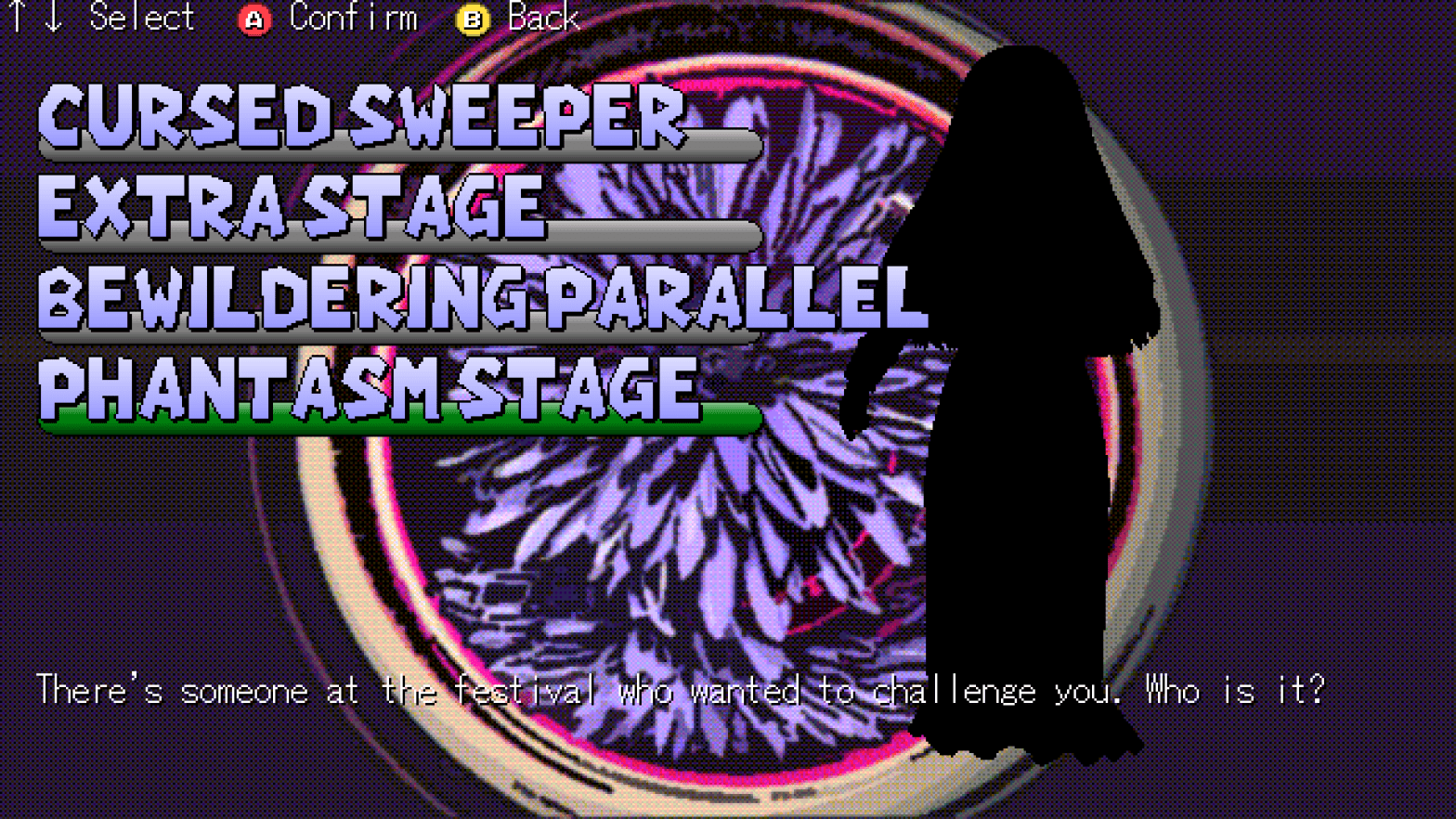
A prime example of how these platform-level friction points hit smaller creators occurred during the launch of Drillimation Systems’ Touhou Meishuugeki ~ Cursed Sweeper and Bewildering Parallel.
Targeting a worldwide release scheduled for October 1, 2026, at 8:00 PM EDT (aligned with midnight UTC on October 2), the game was set to go live right alongside its planned in-person premiere at Cleveland Anime Fest on October 3. Aligning the digital Steam launch with the same convention weekend was meant to maximize momentum, offering showcase attendees immediate access to the full title on store shelves. Instead, the release hit a wall at the very last moment due to Valve’s strict asset compliance rules.
Valve’s review team rejected the game’s store page graphics, citing the embedded Japanese kanji (東方明秋劇) within the official logo as non-compliant “additional text” on English graphical assets. Under Valve’s graphical asset policies, capsule images displayed in Western storefront regions are prohibited from including marketing copy, award badges, or extraneous title variations that could clutter the standard logo presentation.
What followed was a two-week back-and-forth review cycle. To satisfy Valve’s requirements without compromising the game’s branding, Drillimation was forced to modify its registered English title on Steam to Touhou Meishuugeki (東方明秋劇) ~ Cursed Sweeper and Bewildering Parallel. While the store page was eventually cleared, the extended review process delayed the planned launch window by several hours into the following day, fracturing the developer’s marketing momentum right as convention weekend was getting underway.
The Human Cost of Platform Gatekeeping
The delay surrounding Touhou Meishuugeki is far from an isolated incident; it underscores a broader structural issue within digital storefront administration. As thousands of games flood onto Steam annually, Valve’s reliance on automated checks combined with localized policy enforcement creates bottlenecks.
When communication between platform holders and developers is restricted to boilerplate support tickets, creators are left guessing how to resolve compliance issues under severe time constraints.
For indie developers operating on razor-thin budgets, launch timing isn’t just about prestige—it dictates visibility, press coverage, streamer interest, and financial survival. Until platform holders streamline their review pipelines or offer clearer compliance channels before final build submissions, small studios will continue to bear the risk of last-minute delays.
Sources
- https://partner.steamgames.com/doc/store/review_process
- https://www.reddit.com/r/gamedev/comments/1kb50z3/build_review_has_taken_weeks_cant_push_back/
Discover more from Drillimation Systems
Subscribe to get the latest posts sent to your email.


This is a fascinating look at a side of indie game development that players rarely get to see. 🎮 After years of creativity, testing, and hard work, having a carefully planned launch disrupted by an unpredictable review process must be incredibly frustrating.
The gap between an expected 3–5 business-day review and a potentially much longer manual hold can have real consequences for small studios, especially when marketing campaigns and release dates are tightly coordinated. The Touhou Meishuugeki ~ Cursed Sweeper and Bewildering Parallel case makes the issue particularly interesting.
LikeLike
I have no real intent to own a Steam-deck bc
Do you make Danmaku games for the Switch Lite??
LikeLike