
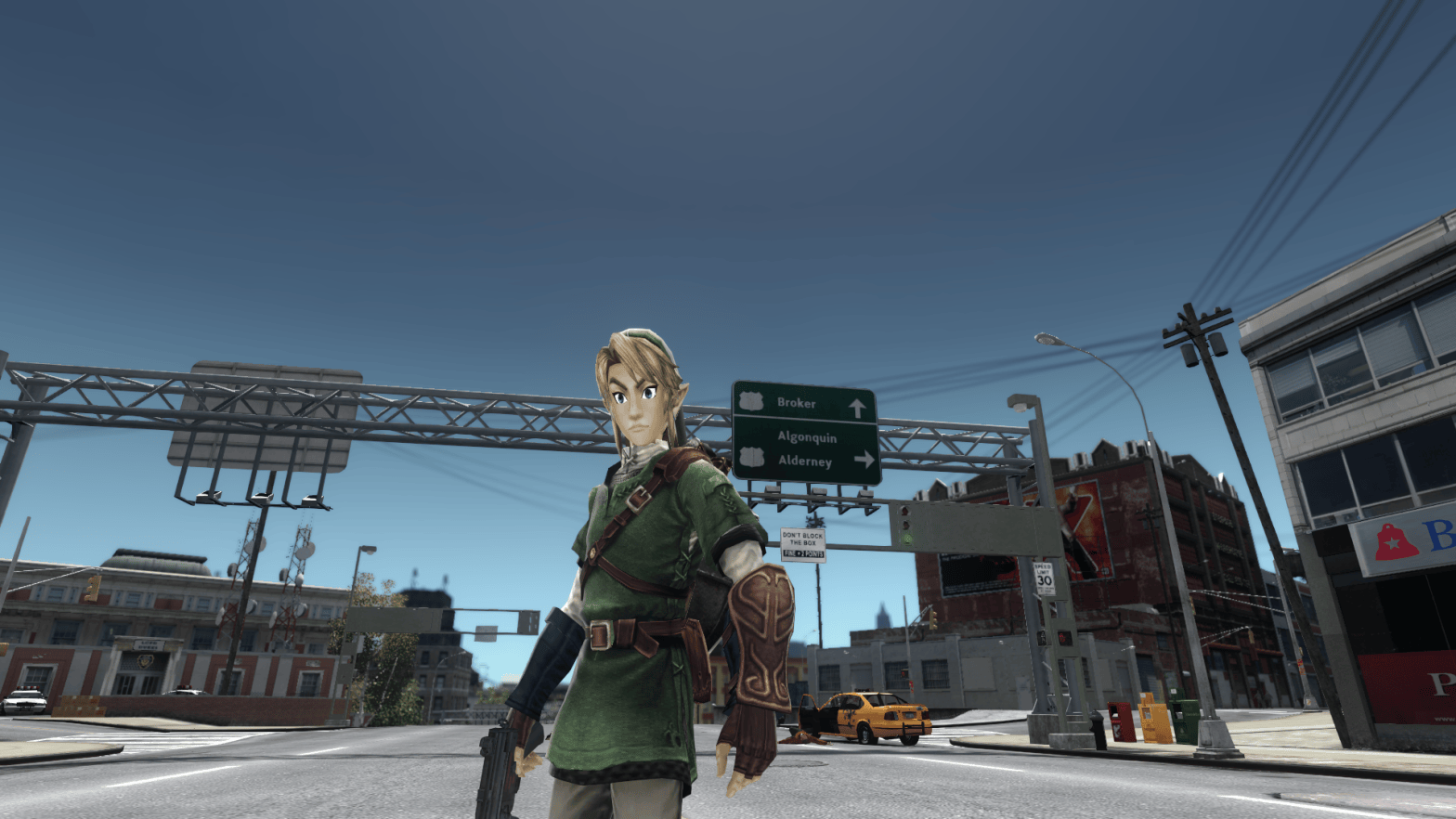
Nintendo and Rockstar collide this November in an unforgettable gaming showdown.
This November, the gaming landscape is witnessing a seismic cultural phenomenon. We are looking dead in the eye of a massive, simultaneous blockbuster release window: Nintendo’s ambitious remake of The Legend of Zelda: Ocarina of Time and Rockstar Games’ juggernaut, Grand Theft Auto VI.
With the Zelda remake having launched two weeks prior and GTA VI hitting shelves today, the industry has split right down the middle. At first glance, both are towering titans of the action-adventure genre, but the stylistic dichotomy couldn’t be wider. On one side, you have Nintendo’s high-fantasy, historical setting—evoking the epic scope of The Lord of the Rings. On the other, you have Rockstar’s gritty, modern, tropical playground. Unsurprisingly, this clash of heavyweights could flood social media with waves of incredible memes, viral merchandise, and dedicated fan theories.
As the release dates drew closer, the gaming community sparked a unique debate over countergaming. Adult players everywhere have found themselves locked in intense discussions over which order to tackle these massive adventures.
Logistics alone are a daunting factor: Ocarina of Time demands at least 25 hours of playtime to fully conquer, while Grand Theft Auto VI pushes well past the 80-hour mark for completionists. Despite the time sink, both titles have already captured widespread universal acclaim, comfortably securing their spots at the very top of the highest-grossing games of 2026.
The Legacy: A Tale of Two Titans
To understand the weight of this showdown, you have to look at the monumental histories behind both series.
- The Legend of Zelda (Ocarina of Time): Originally defining the 3D action-adventure genre on the Nintendo 64 in 1998, Ocarina of Time pioneered mechanics we take for granted today—most notably, Z-targeting and context-sensitive action buttons. It established a timeless blueprint for heroic fantasy storytelling. Nintendo’s modern reimagining isn’t just a fresh coat of paint; it’s a masterclass in modernizing a sacred text without losing the mythic soul that made generations fall in love with Hyrule in the first place.
- Grand Theft Auto: Emerging from its 2D top-down roots in the late ’90s, Rockstar’s franchise shattered industry ceilings with Grand Theft Auto III in 2001, before redefining open-world sandbox design across generations with San Andreas, GTA IV, and GTA V. Now, with GTA VI, Rockstar returns to the sun-soaked neon chaos of modern Vice City, carrying forward over two decades of satirical storytelling, bleeding-edge physics engines, and unprecedented cultural dominance.
Critical Reception: A Flawless Victory for Players
Reviewers and critics are running out of superlatives for both releases, turning late-2026 into a historic victory lap for interactive entertainment.
Ocarina of Time has been praised by critics for successfully bridging the gap between retro nostalgia and modern next-gen design, earning near-universal praise for its breathtaking orchestral score, polished pacing, and gorgeous visual overhaul.
Meanwhile, Grand Theft Auto VI is being heralded as a generational leap forward. Early reviews point to its staggering technical achievements—boasting a living, breathing simulated ecosystem, hyper-realistic artificial intelligence, and a sprawling satirical narrative that somehow manages to top GTA V‘s ambition. Both titles have easily clinched coveted 10/10 scores across major review outlets, cementing November 2026 as one of the greatest months in gaming history.
Analysis: The Clash of Cultural Philosophies
Beyond the review scores and sales milestones, this clash represents a fascinating divergence in player psychology and game design.
GTA VI leans entirely into maximalism, modern satire, and emergent chaos. It invites players to lose hundreds of hours exploring a meticulously detailed, cynical, and hyper-modern sandbox. Ocarina of Time, conversely, operates on purity of myth, structured pacing, and a romanticized sense of wonder.
The fact that these two diametrically opposed experiences launched side-by-side has created a rare cultural moment. Instead of cannibalizing each other’s sales, they have amplified the conversation, offering a dual-track masterclass in what makes video games magic. Whether you crave the timeless tranquility of riding Epona across Hyrule Field or the chaotic neon adrenaline of a Vice City heist, players truly have never had it better.

