

When the blistering heat of the summer months bears down upon the gaming landscape, the industry typically retreats into a quiet slumber, leaving players parched for an experience that is both refreshing and profoundly honest. Yet, it is often within the humble confines of indie itch.io game jams where we discover the true digital oases. Enter Cirno’s Kakigori, a delightful 2D simulation title developed by meooooooooow (such a weird name) for the Comfy Jam: Summer 2026.
Built within the flexible architecture of the Godot Engine, this charming fan game places players in the role of an assistant to the Touhou Project’s resident, self-proclaimed “strongest” ice fairy, Cirno. The premise is beautifully low-stakes, stripping away the complex microtransactions and manipulative live-service hooks of modern corporate gaming to deliver a pure, unadulterated gameplay loop. You freeze the ice, you manually manipulate a shaving wheel, and you serve a colorful parade of iconic guest characters. It is an experience that heavily channels the cozy, tactile joy of the early 2000s Newgrounds and desktop Flash game eras – reminding us that sometimes, a great game doesn’t need massive budgets or convoluted mechanics. After all, to borrow a phrase from the proprietor herself: “Good ingredients don’t need cooking.”
What to Know
Critic’s Lens
Cirno’s Kakigori is a delightfully crisp, bite-sized treat that serves up vintage early-2000s Flash nostalgia with a modern dollop of cozy simulation strategy. While it skips traditional onboarding, its tactile, inventive ice-shaving mechanics and spot-on Touhou Project charm more than make up for minor UX brain-freezes.
Player’s Heart
Players are sweet on this adorable game jam entry, calling it an incredibly addictive and satisfying loop that perfectly channels old-school Newgrounds vibes. The natural learning curve, rewarding physical rhythm, and cute character cameos make saving up for Cirno’s sandwich a cozy summer routine that fans are already jumping back into for speedrunning.
The Big Picture
Technical and Creative Polish
You boot up the game, and bam—no title screen, no main menu, no options, nothing. It just dumps you straight onto the screen with Cirno and the stand. Now, on one hand, it’s a game jam game, so you expect things to be stripped down to the bare essentials. It’s fast, it gets right to the point, and there’s no fluff. But on the other hand, it’s just a bit jarring. You’re left standing there for a second wondering, “Wait, did I miss something? Is there a start button?” A simple instruction screen or a little splash title would go a long way to ease you into the experience, rather than just throwing you right into the deep end of the pool.
Graphically, this thing looks like it crawled straight out of the year 2002, and I mean that in the best way possible. It uses this really charming, custom pixel art with a specific, limited color palette that instantly takes you back to the golden era of Newgrounds and classic desktop Flash animations. It’s incredibly cute, completely cohesive, and captures that specific layout and visual vibe of old-school web design perfectly. It’s pure eye candy for anyone who grew up playing games in a browser window.
The audio design is surprisingly tight. The background music is this incredibly chill, cozy little loop that perfectly sets the summertime mood. But where it really shines is the sound effects. Everything has a tactile click or snap to it. When you’re spinning that wheel, you get this rhythmic, crunchy sound that actually feels like you’re grinding down a block of ice. And when you snatch up the money left on the counter, it gives you this highly responsive, satisfying little auditory pop. It’s exactly the kind of sound design a simple game like this needs to keep you clicking.
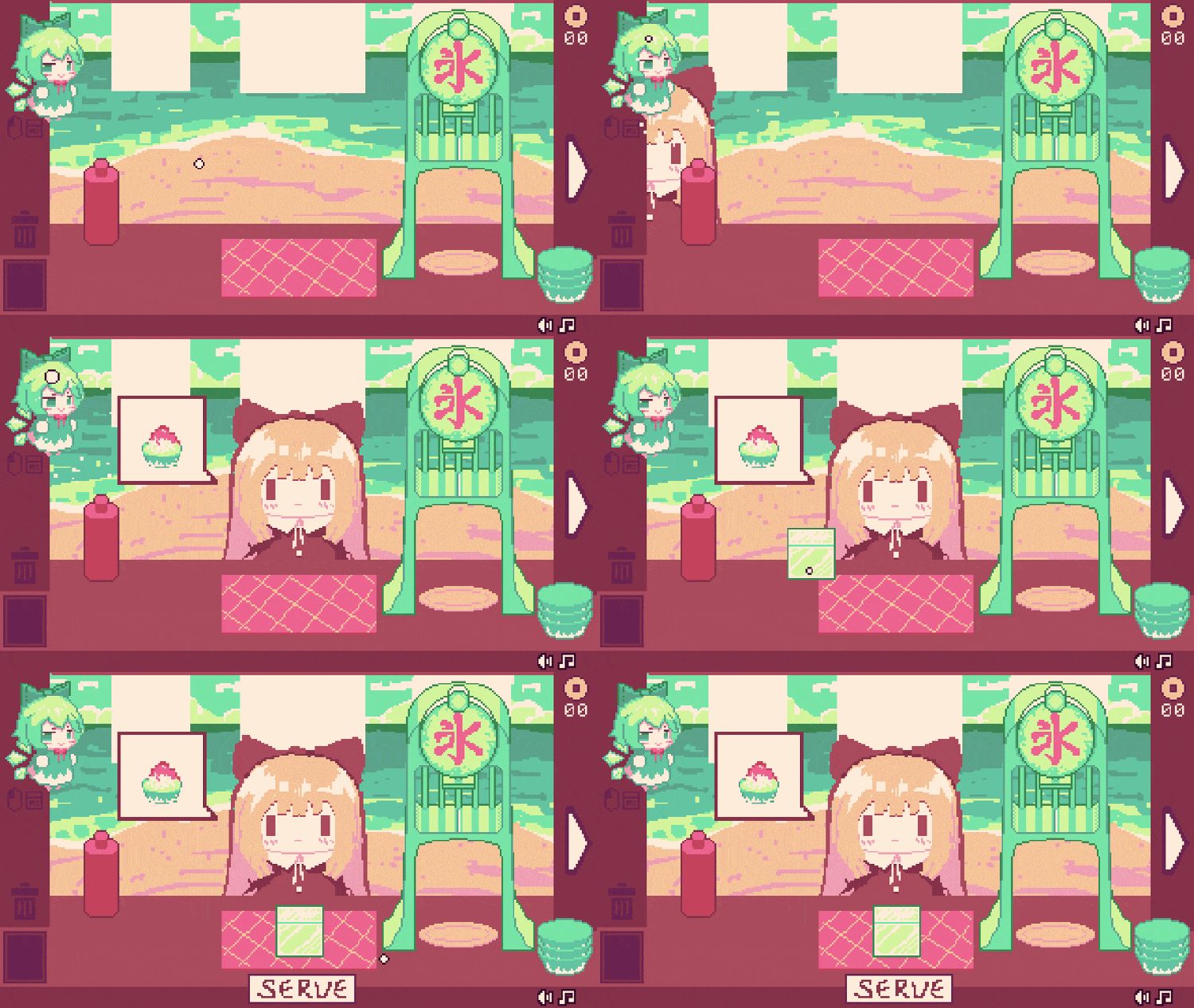
The way the game progresses is neat because it doesn’t bog you down with tutorials; it just lets you figure things out naturally as you play, much like those old web games did. However, it does run into a few minor user-experience snags. For instance, when an ice cube first drops, it’s not immediately obvious where you’re supposed to drag it on the counter. And since no arrow or visual cue is telling you to manually click and rotate the big shaving wheel, you might spend your first thirty seconds just staring at the screen, clicking randomly until it clicks in your own brain. It only takes a minute to master, but a tiny bit more visual guidance would smooth out that initial friction.
Mechanics
The mechanics are split beautifully into two distinct phases that keep the pacing brisk and engaging. The first is the preparation phase, where you click to freeze blocks of ice. The second is the action phase, which introduces a highly unique interactive wheel mechanic. Instead of just clicking a button to process the order, you have to click, grab, and manually spin the machine’s wheel to shave the ice down into a perfect dessert.
Once the ice is shaved, a steady stream of iconic Touhou Project guest characters arrive as customers. You must serve them efficiently, manage their orders, and snatch up the ryo earnings they leave on the counter. The loop requires just enough coordination to keep you fully engaged without ever becoming stressful.
The ultimate goal of binding these mechanics together is simple and hilariously low-stakes: running a profitable stand to save up exactly 100 ryo (the developer didn’t specify the in-game currency; that’s what I’m referring to as the currency). Once you hit the financial milestone, it unlocks a dedicated final screen where Cirno can finally purchase her hard-earned sandwich, wrapping up a tight, highly satisfying 3-to-4-minute loop.
Sound Design and Music
The game features an incredibly chill, cozy little background track that perfectly sets a relaxing summertime mood. The instrumentation choices are beautifully subtle, carrying a distinct early-2000s desktop web-game aesthetic that complements the retro pixel visuals without ever overpowering the gameplay loop.
The sound effects are remarkably tight, tactile, and immediately responsive. Everything you interact with feels satisfyingly weighted; clicking and rotating the shaving wheel rewards you with a rhythmic, crunchy grinding sound that genuinely feels like you’re processing a block of ice.
The developer struck a great balance with the audio library, utilizing a highly cohesive mix of assets sourced from public libraries like Pixabay alongside authentic, nostalgic sound effects from the Touhou Project universe. It feels professional, unified, and wonderfully authentic to the community.
The audio design plays a huge role in the game’s reward feedback. Snatching up the money left on the counter by satisfied customers triggers a crisp, snappy auditory chime that makes the repeating task of managing the stand feel incredibly satisfying and addictive.
Narrative Cohesion
True to the classic Touhou Project spirit, the narrative premise is wonderfully straightforward and lighthearted: the summer heat is unbearable, so Cirno decides to open a shaved ice stand to make a profit. It sets up a perfectly casual, low-stakes motivation that fits the cozy nature of a game jam project.
Cirno’s depiction is spot-on and deeply charming for fans of the franchise. Her dialogue, playful attitude, and her wonderfully confident declaration, “Good ingredients don’t need cooking”, nail her established community persona. The incoming stream of iconic Touhou guest characters as customers adds an extra layer of delight for the fan community.
The overarching objective of the game, running the stand to specifically save up 100 ryo so Cirno can buy herself a sandwich, is a hilariously fitting, mundane motivation for the “strongest” ice fairy. It wraps up the short gameplay loop with a satisfying and humorous conclusion that perfectly matches the game’s overall comedic and cozy vibe.
Engagement and Fun
The game delivers a wonderfully addictive and satisfying experience that takes the traditional click-to-add cooking game formula and spices it up with a unique, interactive layer. Instead of just brainlessly clicking buttons, you’re actively engaging with the mechanics by manually spinning that big shaving wheel to fulfill orders, which keeps you hooked from the first customer to the last.
There’s a remarkably smooth sense of progression built into the design. The game doesn’t bog you down with tedious, text-heavy tutorials; instead, it replicates that classic web-game magic where you learn completely by doing. As your hands get used to the clicking and dragging rhythm, your speed naturally improves, keeping your brain fully locked into the management loop.
The core fun comes from how incredibly rewarding the feedback loop feels. Combining tactile visual bursts like grabbing ryo coins off the counter with the crunchy sound effects of the ice machine makes repeating the tasks feel constantly satisfying. Watching a vibrant lineup of iconic Touhou Project characters show up at your counter keeps the mood lively, lighthearted, and thoroughly entertaining throughout its short runtime.
Replayability
The game features a lean, highly focused experience with a clear, finite objective: saving up 100 ryo to buy Cirno a sandwich. You can complete a full run in around 3 to 4 minutes, making it a perfect bite-sized experience.
Because of its concise design and clear victory condition, the game naturally lends itself to speedrunning. Players are already sharing their completion times in the comments, transforming a simple casual loop into a highly repeatable challenge as they try to optimize their ice-shaving efficiency.
While the core loop is straightforward, the unique mechanics, specifically the interactive wheel rotation required to shave the ice, keep the gameplay from feeling static. The sheer charm of seeing which Touhou Project guest characters will show up next as customers provides a light, enjoyable incentive to jump back in for multiple quick sessions.
Learning Curve
The game intentionally drops players directly into the action without a traditional tutorial or instructions screen. This choice forces players to figure out the mechanics entirely through clicking and interacting with the on-screen elements on their own.
Despite the lack of explicit guidance, the game features a brilliantly organic learning curve. It channels a nostalgic, early-web-game vibe where the mechanics are intuitive enough that everything slowly points toward what you can do at that exact moment.
While the onboarding is smooth for the most part, it hits a couple of brief friction points. Some players might experience a slight delay realizing they need to actively spin the wheel to shave the ice, or figuring out exactly where the completed ice cube needs to be placed on the counter. However, these elements are typically mastered within a quick minute of playful experimentation.
Feel of Play
The game features a brilliant, snappy physical rhythm. Every single click and drag action from generating ice cubes to manually pulling and rotating the shaving wheel feels weighted and satisfyingly immediate, creating an intimate connection between player action and on-screen movement.
The visual and auditory “juice” elevates the simple mechanical loop into pure cozy comfort. The visual burst of grabbing money off the counter, paired with the highly rhythmic, crunching audio feedback of the shaved ice machine, provides an incredibly rewarding sensory experience that makes repeating the tasks endlessly enjoyable.
The combination of simple mouse-only controls, charming guest animations, and relaxing audio makes it easy to slip into a perfect, low-stakes flow state. It successfully captures the pure, uncomplicated joy of classic early-2000s desktop flash toys, leaving the player with a warm sense of cozy satisfaction by the time Cirno finally secures her hard-earned sandwich.
Final Verdict

What we have here is a genuinely competent, delightfully bite-sized experience. It doesn’t try to reinvent the wheel, well, except for the big plastic one you have to manually crank to shave the ice, but it executes exactly what it sets out to do. It strips away the bloat, the tutorials, and the corporate nonsense, leaving you with a raw, addictive gameplay loop that captures the pure essence of a classic desktop Flash game.
Sure, it hits a couple of brief, confusing user-experience snags right at the starting gate because it lacks a proper title screen or visual onboarding. You might spend your first thirty seconds clicking blindly until your brain pieces together where to drag the ice block. But once that mechanical loop clicks, it is pure, cozy satisfaction all the way until Cirno finally secures her hard-earned sandwich. It’s a testament to the fact that you don’t need a massive studio budget or a million complex mechanics to make something genuinely fun to play. It’s a good, solid game that gives it an 8 out of 10.
If you’d like to try the game for yourself, I have the link here:
https://meooooooooow.itch.io/cirnos-kakigori
Discover more from Drillimation Systems
Subscribe to get the latest posts sent to your email.


A wonderful review! You beautifully capture the charm and nostalgia of indie gaming while highlighting what makes Cirno’s Kakigori so special. Your enthusiasm is infectious, and you’ve made this cozy little game sound like the perfect summer escape. Great read! 🎮🍧
LikeLiked by 2 people