
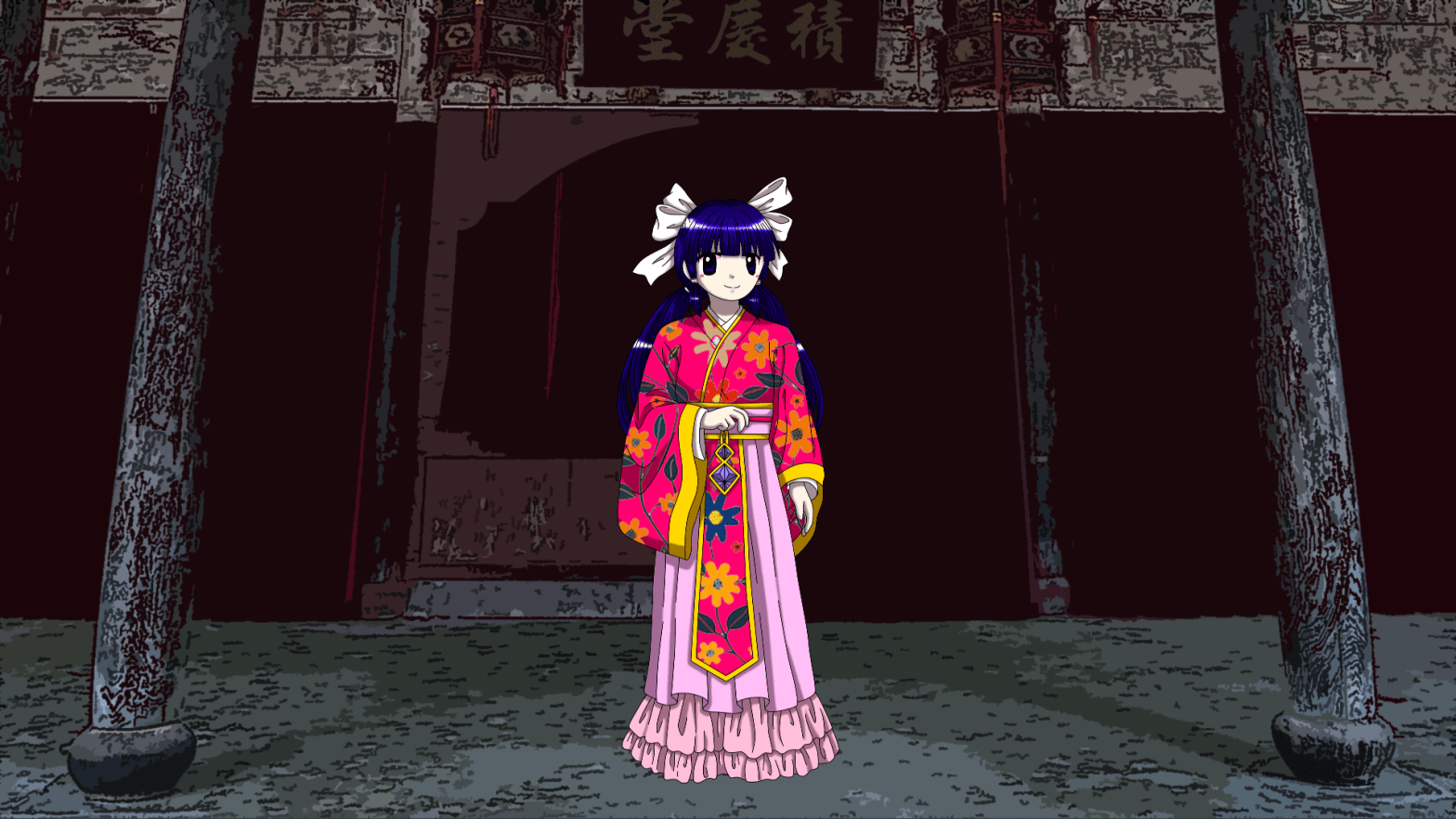
Last September, I wrote an article explaining how to make Chinese-sounding music using regular General MIDI instruments. This past month, to open the Year of the Horse, I did a remix of No Severance ~ Okiku’s Hair (as No Severance ~ Okiku’s Horse) from Touhou Chouhatsuyou ~ Burgeoning Tresses of Longevity using mostly Chinese instruments. If you want to listen to that remix, I have it below:
I’m not here to talk about that today. Back on Wednesday, I did a remix of the song The 1,110th Year’s Legend of Tobiume from Touhou Doumeiju ~ Mystical Power Plant using traditional Chinese instruments. The only difference is I made it sound like something you hear out of Chinese opera, with a few other instruments added for color and to make it sound fuller. Given that I’m a composer from the Western Hemisphere, I don’t have much familiarity with that medium, and a lot of research went into composing this remix. The only familiarity that Western players would have with Chinese opera would be the song “The Divine Damsel of Devastation” sung by Genshin Impact‘s Yun Jin. It made sense to do so since miHoYo is headquartered in China and their home country’s culture is represented in the game.
If you want to know how to replicate the feel of Chinese opera via the JV-880 Asia expansion, you will need to focus on the specific string, wind, and percussion instruments traditionally used in ensembles like Beijing Opera. The following instruments from the expansion board are ideal for this purpose:
Core String Instruments
In Chinese opera, the high-pitched huqin family is essential for accompanying vocals. Do note that the lead string instruments play more notes than the performer sings.
- Er Hu VSw, Er Hu Solo, and St.ErHu: The erhu is the primary Chinese violin used for soulful, expressive melodies. The VSw and Solo patches can emulate the characteristic slides and vibrato of opera performance. I recommend using it as a lead instrument.
- Chung Ruan and Bright Ruan: The ruan is a moon-shaped lute used frequently in Beijing opera music to provide a rhythmic and melodic foundation. You can use it as a secondary instrument.
- St.Pipa and Pi Pa 1: The pipa (Chinese lute) is often used for dramatic scenes, capable of expressing everything from sorrow to intense battle sequences. I recommend using it as a secondary instrument.
Wind Instruments
The wind family is primarily used as secondary instruments for specific atmospheric or dramatic effects.
- Qu Di: This bamboo flute is a staple of many opera forms, known for its airy and expressive tone.
- Bang Di: This higher-pitched flute is particularly associated with northern Chinese opera styles, particularly Beijing Opera.
- Suona VSw and Suona: This double reed instrument, often compared to a trumpet, is used for celebratory or military scenes due to its piercing, loud sound.
- Sheng: This mouth organ is commonly used as a harmonic accompaniment to the flute and suona in opera performances.
Essential Percussion
Percussion instruments conduct the orchestra accompanying opera, signaling movement and dialogue.
- ChinaPrcMenu: This menu contains the vital gongs and percussion needed for opera.
- St.Shou Bo and China Cymbal: The bo is frequently played in operas to highlight action or festive gatherings.
- St.HuYinLuo: Luo are used to punctuate spoken passages and stage action.
- China Gong and Velo Gong: Larger gongs are used to signal character entrances or intense emotions like anger.
- China Ph1 and China Ph2: These phrase loops contain authentic rhythmic patterns that can help set the correct operatic timing.
Discover more from Drillimation Systems
Subscribe to get the latest posts sent to your email.
 Drillimation Systems
Very nice.
LikeLiked by 1 person
Splendid ❤️❤️
LikeLiked by 2 people