
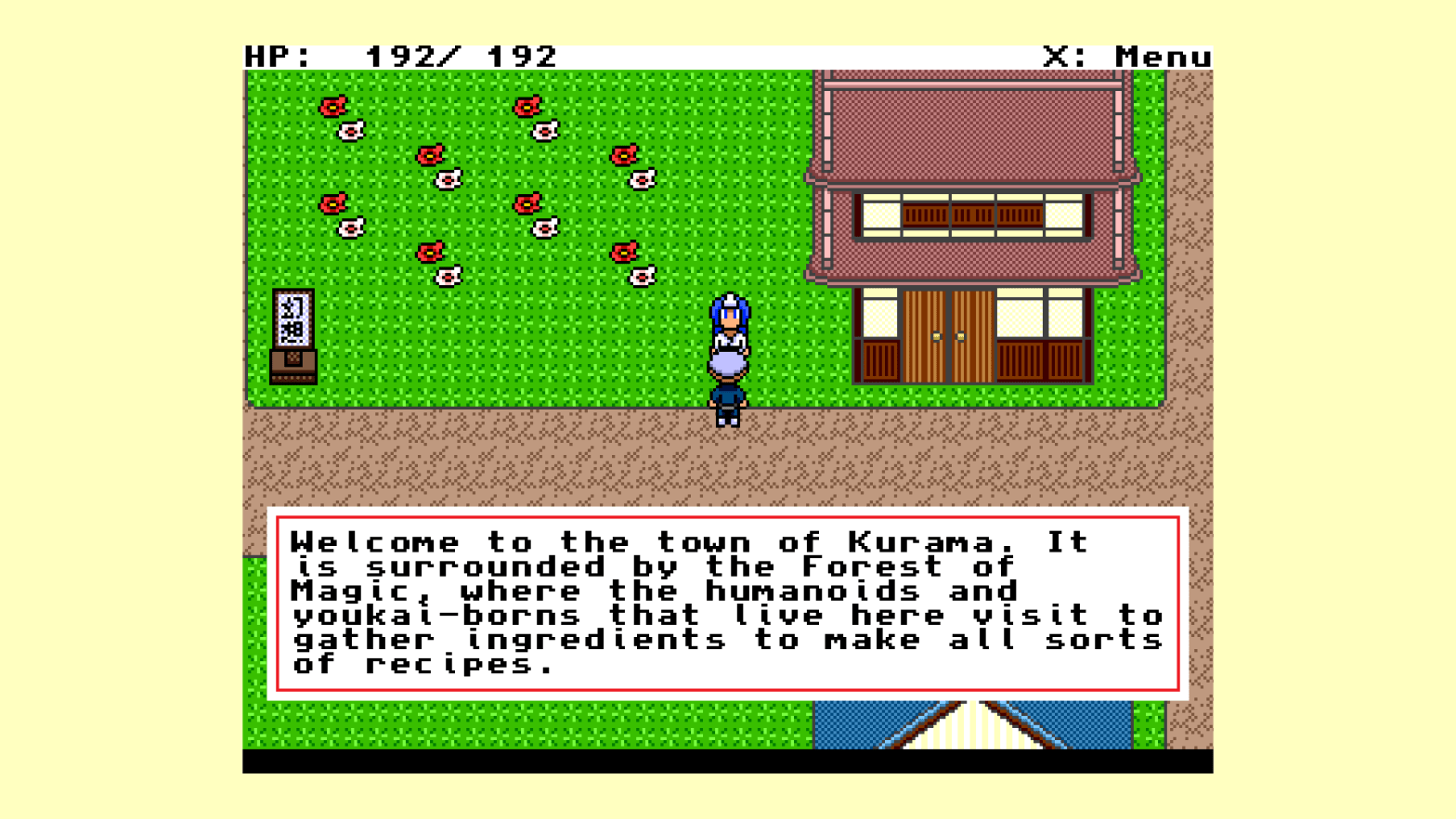
Touhou Project is a widely successful manic shooter franchise created by Jun’ya Ohta (or ZUN and doing business as Team Shanghai Alice), being responsible for defining the danmaku genre. It has spawned a huge fanbase across the globe that would make fanart, and of course, fangames in various genres. While the original games are amazing, keep in mind that it isn’t the case for fangames, as an overwhelming majority of these are made by independent game developers, usually all by themselves with or without a team of artists and technicians.
For any video game franchise that spawns fangames and like any console, the series is no stranger to shovelware fangames, which are games that are hastily put together without any effort and sold to make a quick buck. These games are often poor in quality, and developers who rush can end up making countless mistakes in their code, resulting in lots of glitches that could break the game. Creating a good game requires a significant amount of time and effort.
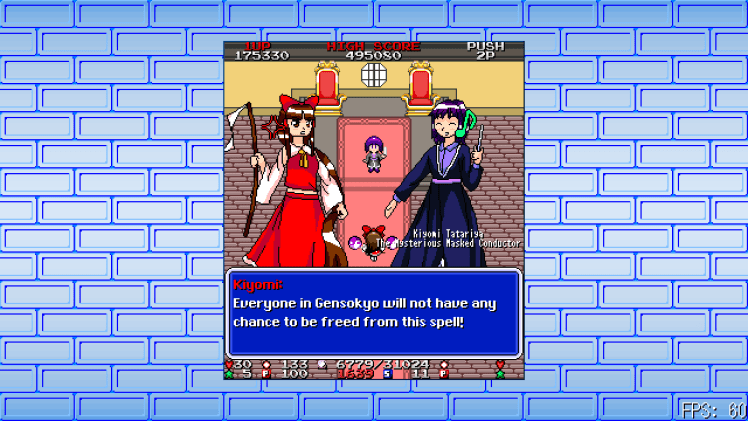
One of the biggest problems with Touhou Project fangames is quantity over quality. Many fangames are not in the danmaku genre or incorporate danmaku in some form, but some don’t follow the main aspects of the franchise and enhance it by creating anything new. Other times and as explained above, they can be released unfinished without any care and the gameplay can result in being generic or uninspired. Many fangames can end up getting into controversy, and no matter how highly anticipated one game may be, a single title can end up being canceled because of a toxic fanbase, troubled development, drama among the development team, leaks, or otherwise unknown.
Things not to do
- Don’t make the gameplay look generic or uninspired, or even rip off another game. Having little content can make the game beatable in less than an hour or even ten minutes. Many good games require a significant amount of content to keep players hooked for hours.
- Not all games are expected to be masterpieces, and remember that all forms of criticism are normal. If your game has a discussion board or comments section, don’t attempt to silence critics by deleting critical threads, banning critics, or using censorship by copyright in the form of fraudulent DMCA claims. That’s not a battle you can win, and the lattermost of which is illegal and you can be sued for that.
- Don’t make the graphics look amateur, simplistic, or ugly, and go for an art direction inspired by manga or anime. If you wish to use pre-existing sprites or models in your game, make sure you clear licensing for the assets to be used. Read more about properly using pre-existing content in games here. If you don’t, that will make you an asset flipper. While you may use artificial intelligence to generate material to be used as a basis for creating an original work, don’t use the generated asset untouched.
- Same thing goes for music. While an overwhelming majority of games use existing themes, many artists opt to apply different styles or interpolations of themes. If you wish to write original music, make sure it captures the charm of Touhou Project. You will need some basic knowledge of music theory to be able to effectively write a good theme.
- If you are creating ads, make sure the ad content reflects the gameplay. There have been a lot of fake ads and false advertising for content not present in the product, or comprises only a small portion of the game.
- If you’re a first-time developer, make sure you continuously work on your game to finish it in time. If your skills aren’t up to snuff, you can end up taking years to finish your game, a problem known as development hell. This is especially true if you announce your game. Players will get excited and anticipate its release, and anticipation will die down if you don’t frequently put out any news for your games.
- Make sure you know your audience and who you’re targeting. Fangames target a variety of age groups, including sophisticated games for teens and adults, sports-themed games for fans, and games geared for the younger generations. If you’re designing for youth, make sure all content in-game is appropriate for the target group.
- Don’t engage in asset flipping, such as reusing official assets or the actual recordings of the official games’ music. Otherwise, Team Shanghai Alice’s legal team may send it down the drain. Read more about this here. Also, don’t include repetitive or unskippable ads for a similar reason.
- You are given total creative freedom in your fanworks, meaning you are free to flanderize the characters’ traits or give them occupations that they were never intended to have. However, don’t do things such as have characters pass gas for toilet humor, or perform dated trends to be hip with younger players.
How to Make a Fangame Great
- Make sure all of the content in your game is faithful to the source material.
- If you’re creating a story-driven game, you may bring in one or more writers who are huge fans of the series and understand the source material at heart.
- Have your actual heart and effort put into your project.
- Be selective on the art direction, and don’t make characters look uncanny, such as using photorealistic proportions. Make sure the art direction matches the world and style of gameplay.
- If you’re including voice acting, whether you’re in the East or Western Hemispheres, find suitable actors who capture the mannerisms and charm of the characters, such as those who are fans of the source material.
- Make sure the soundtrack, whether you’re writing original themes or making arrangements of existing themes, plays a bit part in evoking emotional responses from players and heightens their experience.
- Make the gameplay fun and highly interactive without it resembling the experience of watching a movie. This includes unparalleled freedom, encouraging creativity and exploration, rewarding players for strategic thinking, timing, or skill, innovating in mechanics or even narrative choices affecting the gameplay or storyline.
- Make sure the stages complement the mechanics, and make sure to introduce new mechanics as players progress.
- Balance the difficulty so it doesn’t become too easy or hard. Make sure the escalation in difficulty is good so players can feel challenged and rewarded.
Discover more from Drillimation Systems
Subscribe to get the latest posts sent to your email.
 Drillimation Systems
Wow, thank you for the insight! You truly know your game making !
LikeLiked by 1 person